News
US Midterms 2026: What Could Change for Data Privacy and AI Governance?
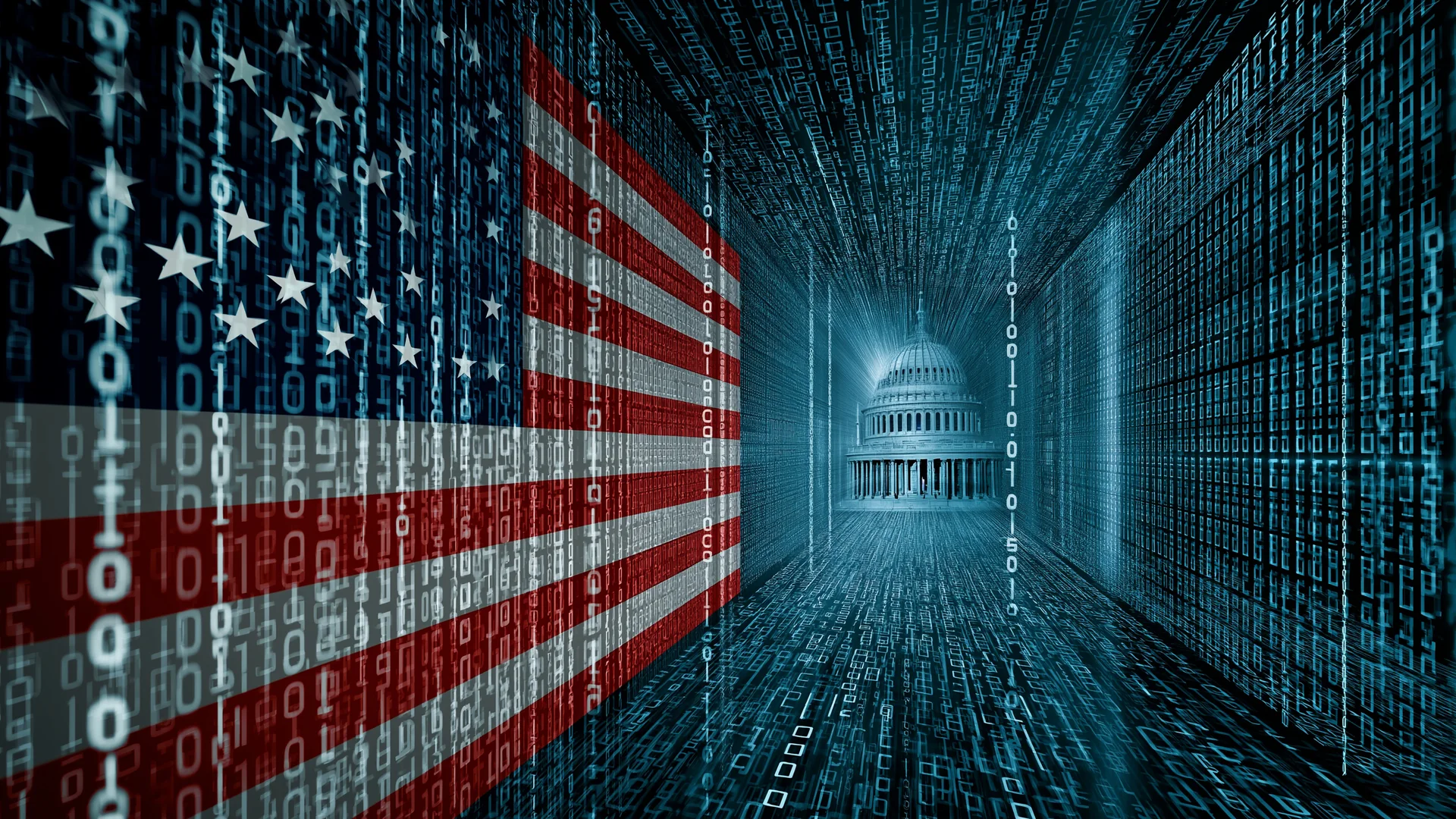
Midterm elections often bring changes to legislative priorities. With Artificial Intelligence, consumer protection, and Data Privacy increasingly in the spotlight, what could this mean for the Life Sciences industry?
The US political landscape is evolving, and so are the questions surrounding regulatory oversight. According to Reuters, a shift in congressional control could lead to greater scrutiny of corporate activities, particularly in the Artificial Intelligence sector. While increased oversight does not automatically mean new legislation or stricter enforcement, it could influence regulatory discussions and priorities. For companies processing sensitive health data, this is a development worth monitoring.
1. Health Data Privacy: Beyond HIPAA
The fragmented regulatory landscape is one of the biggest challenges for Life Sciences companies operating in the US. Despite having 46 privacy laws introduced during the current Congressional session, no overarching federal privacy law has been passed. HIPAA remains the main federal framework for protecting health information, but it does not apply to every organization handling health-related data, many state legislators have stepped in to provide additional protections, adding further complexity. Twenty (20) states have enacted comprehensive privacy laws, with half the states including health data protections. Six states have passed dedicated health-data specific legislations. For example, Washington’s My Health My Data Act establishes specific requirements for certain consumer health data processing activities, including transparency, consent, and consumer rights. Meanwhile, other states continue to develop their own Privacy frameworks, creating different obligations depending on where and how companies operate. The IAPP’s US State Privacy Legislation Tracker illustrates just how complex this landscape has become.
For Life Sciences companies, understanding which federal and state laws apply is already a compliance priority, regardless of election outcomes.
2. AI Governance: Could Regulatory Scrutiny Increase?
AI is now used across the Life Science industry impacting clinical research, drug discovery, diagnostics, and healthcare delivery. This growing adoption raises important questions about the use, and protection, of sensitive data, accountability, transparency, and risk management. The midterm elections could bring renewed congressional attention to AI companies and their practices.
For Life Sciences organizations, several questions deserve consideration:
- How is sensitive health data being used to develop or operate AI systems?
- Are privacy risks adequately assessed and documented?
- Are responsibilities clearly defined between AI developers, vendors, and healthcare organizations?
These questions are not entirely new. Existing Privacy and consumer protection requirements already apply to many AI-related activities.
The potential shift is not necessarily the creation of new obligations, but greater attention to how organizations meet existing ones.
3. Enforcement: Why Companies Should Pay Attention
Congressional oversight and regulatory enforcement are distinct mechanisms. While Congress can investigate corporate practices and influence legislative priorities, authorities such as the Federal Trade Commission (FTC) and state Attorneys General enforce laws within their respective jurisdictions to protect consumers and guard against unfair or deceptive practices. The FTC’s updated Health Breach Notification Rule, for example, clarified requirements regarding certain health apps and similar technologies outside HIPAA’s scope. This demonstrates that regulatory obligations concerning health data continue to evolve independently of election results. For companies operating across multiple US jurisdictions, staying informed and maintaining effective Privacy governance is essential.
4. Preparing for What’s Next
Whatever the post-election landscape looks like, Life Sciences organizations can strengthen their position by
- Mapping data flows Identifying health and other sensitive data
- Identifying applicable laws by state, data category and activity
- Reviewing consent, Notice and consumer-rights processes
- Inventorying AI use cases and assessing the associated privacy risks
- Clarifying vendor and partner responsibilities in contracts
- Setting up regulatory monitoring so that new developments are assessed by design
5. How MyData-TRUST Can Help
At MyData-TRUST, we have been closely monitoring the US political and regulatory landscape, including the potential implications of different midterm election scenarios. At the same time, we have been strengthening our ability to support Life Sciences companies with US Privacy compliance.
We have developed, tested, and implemented a practical approach to navigating applicable US Privacy requirements.
Building on this experience, we can now support organizations with:
- US Federal & State Privacy Regulatory Mapping: Identifying applicable laws and obligations.
- Privacy Gap Assessments & Compliance Roadmaps: Evaluating existing practices and defining actionable priorities.
- Health Data Privacy Assessments: Reviewing sensitive health data processing activities.
- AI Privacy & Governance Support: Identifying and managing privacy risks associated with AI technologies.
- Operational Compliance Support: Helping implement appropriate policies, procedures, and governance measures.
Conclusion: Regulatory Readiness isn’t based on elections.
While the 2026 midterm election may impact the regulatory landscape for Data Privacy, the need for compliance won’t wait. What is already clear is that the US Privacy landscape presents significant compliance challenges, particularly for organizations handling sensitive health information.
Rather than waiting for potential regulatory changes, companies can start by understanding their existing obligations and identifying where improvements are needed.
MyData-TRUST is ready to help Life Sciences companies navigate these challenges and translate US Privacy requirements into practical compliance measures.
Looking to strengthen your US Privacy compliance? Get in touch with our team.